
Understanding Mental Health in Older Adults
November 19, 2025
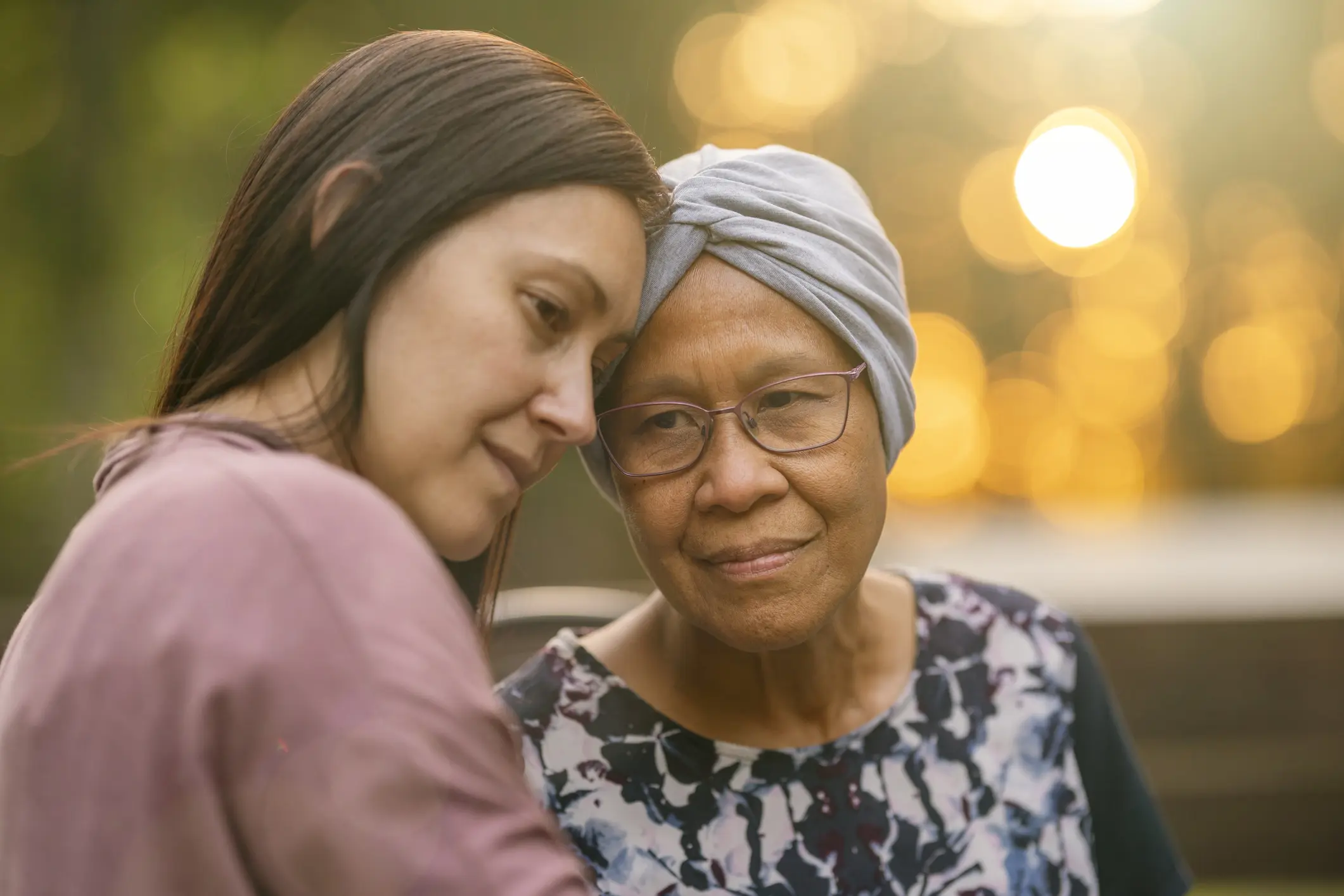
Understanding mental health in older adults is vital because it affects their quality of life, physical health and the ability to maintain independence. Mental health conditions can manifest differently in seniors compared to younger individuals, making awareness and early detection crucial.
Mental health symptoms in older adults
Older adults may experience various mental health symptoms, some of which might be easily overlooked or mistaken for normal aging. Common symptoms include:
- Persistent Sadness or Depression: Feeling down for an extended period can indicate depression.
- Anxiety: Excessive worry or fear that interferes with daily activities.
- Memory Problems: While some memory decline is normal with aging, significant changes can be a sign of a mental health condition.
- Changes in Appetite or Sleep Patterns: Sudden changes in eating or sleeping habits can be a red flag.
- Social Withdrawal: Avoiding social interactions can indicate a mental health issue.
Common Senior Mental Health Issues
Several mental health conditions are more prevalent in older adults. Recognizing these issues can lead to better support and treatment.
Depression
Depression is not a normal part of aging, yet it is common among seniors. It can result from various factors such as chronic illness, loss of independence or bereavement. Symptoms may include persistent sadness, loss of interest in activities and difficulty concentrating.
Anxiety disorders
Anxiety disorders in older adults can be triggered by health concerns, financial stress or fear of the future. Symptoms include excessive worry, restlessness and irritability.
Dementia
Dementia affects memory, thinking and social abilities severely enough to interfere with daily functioning. Alzheimer’s disease is the most common type of dementia. It’s essential to distinguish dementia from normal age-related cognitive decline.
Substance abuse
Substance abuse in older adults is often overlooked. It can involve alcohol, prescription medications or illicit drugs. Substance abuse can exacerbate existing health problems and lead to additional mental health concerns.
Promoting Mental Health Wellness in Seniors
Promoting mental health wellness in seniors involves creating an environment that supports their emotional and psychological needs.
Encourage social connections
Social interactions are vital for mental health. Encourage older adults to maintain relationships with family and friends, join clubs or community groups and participate in social activities.
Promote physical activity
Regular physical activity can significantly impact mental health. Activities like walking, swimming or yoga can improve mood and reduce symptoms of anxiety and depression.
Ensure adequate nutrition
A balanced diet is crucial for mental and physical health. Ensure that older adults have access to nutritious meals and stay hydrated.
Provide mental stimulation
Engage seniors in activities that challenge the mind, such as puzzles, reading or learning new skills. Mental stimulation can help maintain cognitive functions and prevent the onset of mental health conditions.
Accessing Senior Mental Health Services
Access to appropriate mental health services is essential for addressing and managing mental health conditions in older adults.
Mental health programs for older adults
Several programs are specifically designed to address the mental health needs of seniors. These programs may include counseling, support groups and therapy sessions tailored to the unique challenges faced by older adults.
Seeking professional help
Encourage older adults and their families to seek professional help if they notice any concerning symptoms. Mental health professionals, such as psychologists and psychiatrists, can provide assessments, diagnoses and treatment plans.
Community resources
Many communities offer resources for older adults, including senior centers, mental health clinics and hotlines. These services can provide support, education and connections to other helpful resources.
Family support
Family members play a crucial role in supporting older adults’ mental health. Encourage open communication and involve family members in treatment plans and decisions.
Practical Advice for Families and Caregivers
Families and caregivers are often the first to notice changes in an older adult’s mental health. Here are some practical tips:
- Stay Informed: Educate yourself about the common mental health conditions affecting older adults.
- Observe and Communicate: Pay attention to any changes in behavior or mood and communicate openly with the older adult.
- Encourage Professional Help: Don’t hesitate to encourage the older adult to seek professional help if needed.
- Be Supportive: Offer emotional support and understanding. Be patient and empathetic.
About Central Florida Behavioral Hospital
Central Florida Behavioral Hospital is a homelike facility that offers treatment to children, adolescents and adults suffering from mental health and substance abuse disorders. Located in Orlando, FL, our nine acre campus provides a serene and therapeutic environment, perfect for healing and growth.
We offer high-quality care with all of our services that also comes with a supportive staff. Some of our services include our inpatient, outpatient, children’s, adolescent and general adult programs. All of these programs feature evidence-based therapies and are designed to meet the individual needs of our patients.
To schedule a no-cost assessment or for more information, please call 407-370-0111.


